Museum Collection
Scope of the Museum Collection
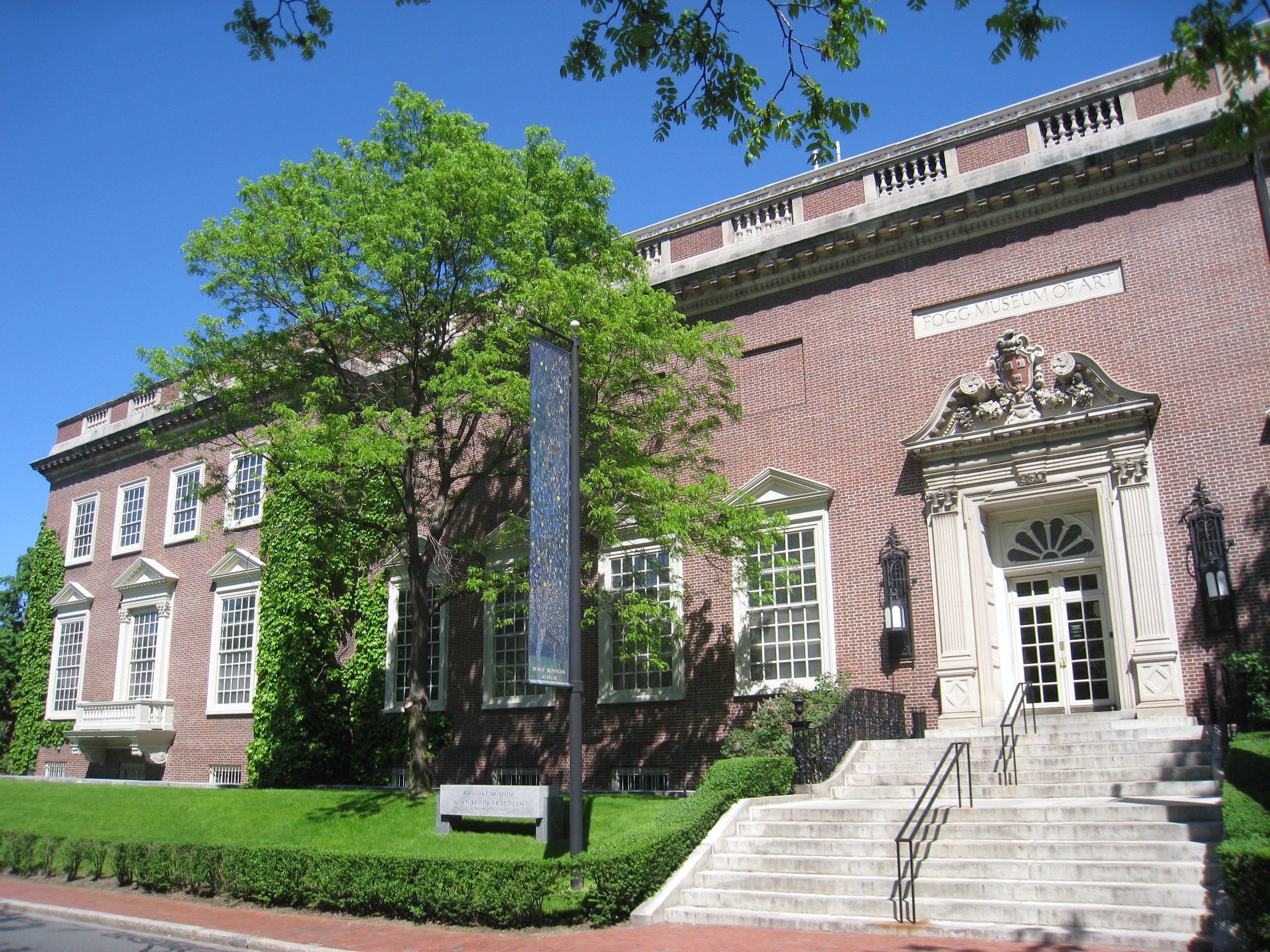
With its opening in 1895, the Fogg Museum is the oldest Harvard Museum. Its opening was made possible by a gift of 200000 dollars by Mrs Fogg and of a few European and American paintings collected by the couple during their travels. The building originally housed the Harvard Center for Fine Arts as well as 'secondary evidence', i.e. plaster casts, as well as the aforementioned paintings. They were used to serve the faculty and students of Harvard, rather than to rival the Boston MFA. The latter option was also excluded because of the museum's finances at the time, with its budget roughly being 10% of the annual expense used for maintaining the Boston MFA. Since this period, the Fogg Museum has witnessed a dramatic increase of its collections, which are now dedicated to Western Art over a large timeframe.
The Busch-Reisinger museum was founded in 1901 as the Germanic Museum. Its opening was linked to the exchanges between Harvard and German Universities. At this time, German universities were considered as some of the best in the world. Their model actually influenced that Harvard and many Harvard students actually came to Germany to study, and many Harvard faculty were German. This prestige of Germany in Harvard made possible the bringing, by German faculty, of German art in Harvard. In 1902, German Kaiser Wilhelm II gave a large number of medieval Central and Northern European art and architecture replicas to the museum such as the 13th century Golden Portal from the Church of Our Lady in Freiberg. Since then, the collection has expanded and now houses art from Germanic speaking countries from a much wider timeframe.
In 1985 opened the Arthur M. Sackler Museum. Unlike its predecessors, its original collections were not made of plaster casts or other kinds of 'secondary evidence', but of a large number of artefacts from Asia, the Near East and Mediterranean art, from Antiquity to the modern period.
Nowadays, the acquiring of objects is either done by gift, bequest, and purchase. The museums take measures to make sure that the collection of the objects have not damaged its original context, been illegally acquired, its history of ownership traceable. As many American museums and professional associations, the Harvard Museums have adopted the 1970 UNESCO convention on the Means of Prohibiting and Preventing the Illicit Import, Export and Transfer of Ownership of Cultural Property which requires archaeological objects to be documented has outside of their country of origin before 1970 or have been exported legally after 1970.
Key Acquisitions of the Fogg Museum
Key Acquisitions of the Busch-Reisinger Museum


Key Acquisitions of the Arthur M. Sackler Museum
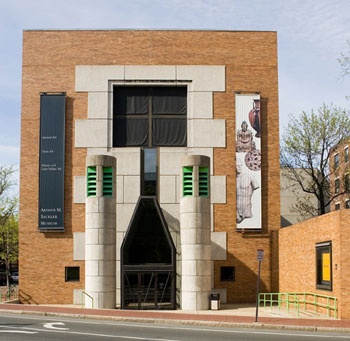
The Arthur M. Sackler Museum collection includes many works of Pre-Columbian, Asian, Islamic, and Middle Eastern Art. The Arthur M. Sackler Museum opened in 1985 to house the Asian and Ancient collections. The most notable aspect of the collection includes Chinese jades and bronzes, Japanese surimono, and Buddhist cave-temple sculptures. Some groups of objects arrived to the collection from archaeological excavations while others were gifts and bequests.
In 2002, the Arthur M. Sackler Museum received a gift from Norma Jean Calderwood of Islamic art objects from 9th to 19thcentury Persianate world. The works ranged from ceramics to works on paper. As a whole, the acquisition substantially bolstered the Museum’s holdings.
In 2006, the Museum acquired the Walter C. Sedgewick collection of Japanese Buddhist sculpture and early Chinese ceramics. The acquisition expanded the Asian art collection at the time by creating a foundation for the Museum’s significant holding of Japanese sculpture and opened greater opportunity for the study of ceramics of Asia.
Key Acquisitions of the Harvard Art Museum since consolidation

In 2008, Harvard Art Museums received a major gift of 31 works of modern and contemporary art and $45 million from Emily Rauh Pulitzer. Pulitzer is a Harvard alumna and former curator at the Museum.
In 2011, the Harvard Art Museums received a gift of folk and self-taught art from Didi and David Barnett. The acquisition included work by Bill Traylor, Howard Finster, and Filipe Jesus Consalvos.
In the Fall of 2013, the Museum received a gift of Japanese works from the Edo and Meiji period from the collection of Robert and Betsy Feinberg. The gift of Edo period works later contributed to the 2020 exhibition Painting Edo: Japanese Art from the Feinberg Collection.
In 2017, Harvard Art Museums acquired Kara Walker’s U.S.A Idioms (2017). The acquisition reflected the global vision of curators Mary Schneider Enriquez Edouard Kopp and their goal to expand the collections holdings of contemporary drawings. In that same year, the Museum received a gift of 330 16th to 18th century Dutch, Flemish and Netherlandish drawings from the Maida and George S. Abrams collection.
The Harvard Art Museums received a gift of 70 sketchbooks by artist Otto Piene (1928-2014) in 2019 from Elizabeth. Goldring, the artist’s wife. The pens included in the gift are housed in the Center for the Technical Study of Modern Art a part of the Museum’s Straus Center for Conservation and Technical Studies.


Comments
Post a Comment